

The Day of Reckoning
- May 16
- 3 min read
Reflection for the Ascension Sunday of Easter by Fr. Earl Valdez
May araw ka rin.
I’m not totally sure how this expression became common, but somehow we still hold on to the idea of a “day of reckoning.” We believe that there will come a day when we become responsible and accountable for the things that we have done in our lives. We may try to run from it or go around it, but somewhere, somehow, we find ourselves slipping, or tumbling back to the consequences of our mistakes. I believe that there’s no need to bring our misunderstood sense of karma here; it’s just that our actions, whatever they may be, bear consequences.
But this can be said in a positive way and with a positive meaning: Darating din ang araw. Whenever I hear that, it comes with a tone of hope and expectation. It is a recognition that there will also come a time when after all our hardships and sufferings, one day will come that it will all be worth it. That may not carry a fairy-tale ending in which problems will go away, but there will be some measure of success or achievement that we have long waited for.

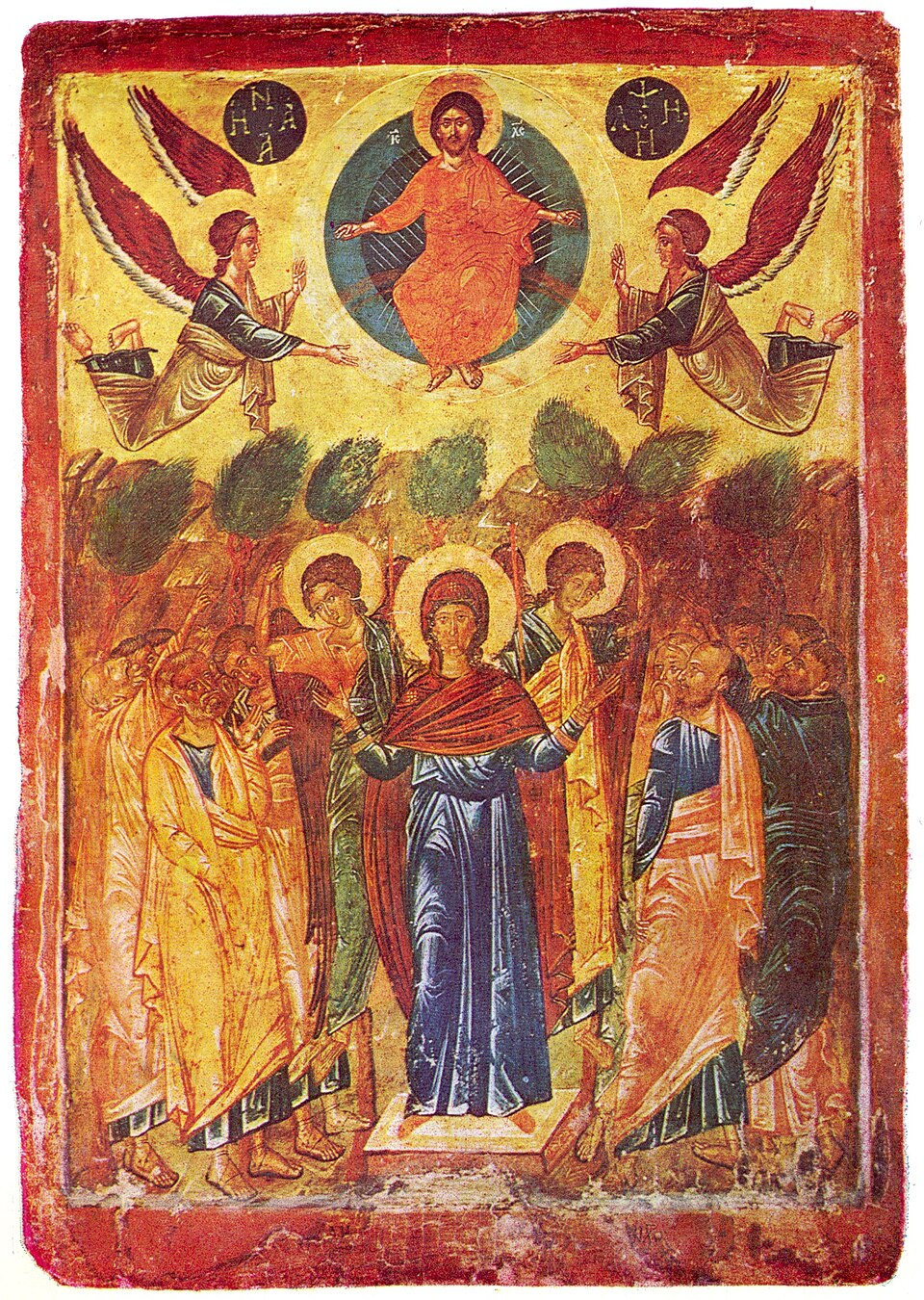
The first reading and the gospel for today seemed to be that day for the disciples. After forty days of being with the Resurrected Lord, it was time for Him to ascend and return to the Father. Apart from the fact that they had to reconcile with the fact that He is not going to be physically with Him, they also had to accept what He left for them: the mission to evangelize and become witnesses of the Gospel.
Let us reflect on that as a people who receive that mission as well, because there is one more thing that Our Lord left us in the Ascension. In his return to the Father, he also made sure that His presence remains, not physically, and not in a singular human body. Ultimately, He left on this earth his Church, as His Mystical Body in whom we are all united with Him as our head. This means that the presence of the Lord remains in us who believe; and here’s the thing: we are the reminder that while He ascended, He has never actually left humankind on our own.
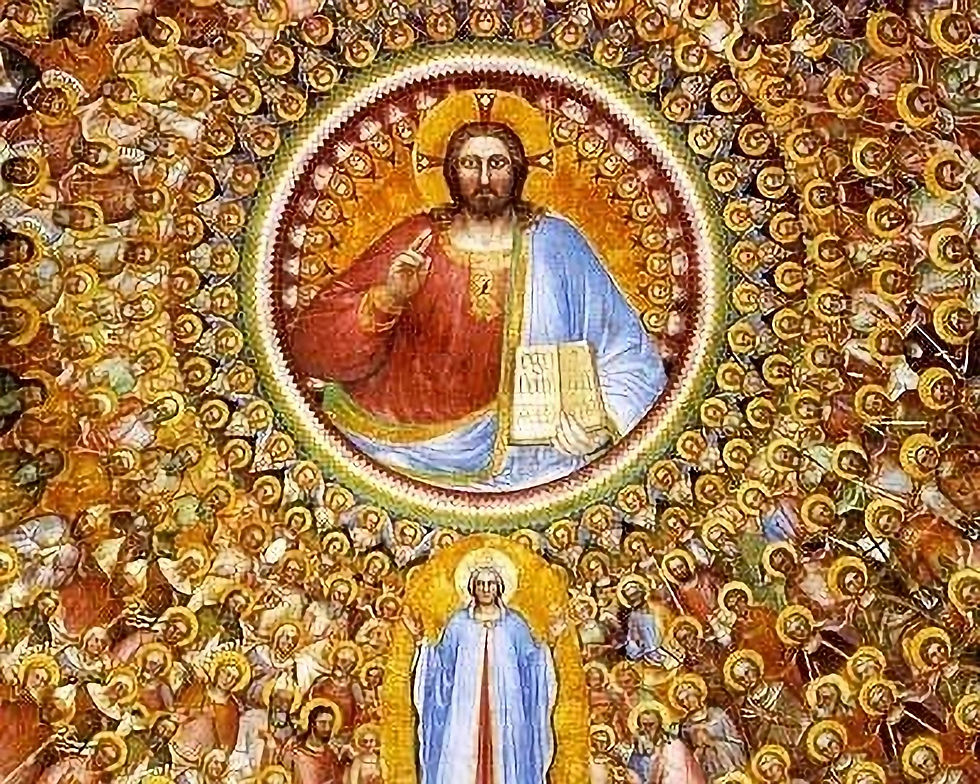
Thus, when he commanded His disciples “to go out to all the nations and baptize them in the name of the Father, the Son, and the Holy Spirit,” He passes on the grace of who and what He is for everybody. It is the mission that we, the Church carry today, and we could say it in its simpler formulation: to be the presence of Christ to everybody. In our own way and means, within our own life situations, this mission remains and rings out all the more. Being a Christian does not merely mean avoiding sin and fulfilling what is required by the sacraments; first and foremost, it is becoming the presence of Christ. It means preaching the gospel through our witness. It means showing what it means for us to be loving, merciful, and just. It means leading people to see the Father through the things that we do and the way we live our lives.
Thus, we can also say that it is also our day of reckoning. The Feast of the Ascension reminds us of our day that we are sent; however, it is also the day that we receive the presence of the Lord and bring it with us everywhere as His witnesses. We pray for the grace, therefore, that, like the Apostles who were asked by the angel to not look up but instead look forward to bringing the Gospel to all, we fully embrace and not run away from it. After all, this is reckoning in the most positive sense, in which we say to the world that the day has indeed come for salvation to dwell in every corner of the world. Ito ang ating araw upang ipakita sino tayo bilang Katawan ni Kristo.


Comments