

A Vibrant Faith
- May 9
- 3 min read
Reflection for the Sixth Sunday of Easter by Fr. Earl Valdez
Every Easter season, I always look forward to the readings that recall the experiences of the Apostles and the first Church communities. When I listen to them, it was as if I was listening to adventure narratives, in which the apostles, eager and enthusiastic to spread the faith, were faced with one major challenge: how are they going to preach the Gospel in a world that barely knows who Christ is and what He has done for humankind?
What we find in the Acts of the Apostles were interesting accounts. Some of the first disciples, like Peter, faced opposition and even imprisonment. There were those who had to make people see the Lord’s healing powers through miracles, before they talked about the faith. In Areopagus hill, St. Paul had to argue that the Lord is an “unknown god” that stood above and beyond the Greco-Roman gods that we now read off the pages of Edith Hamilton’s mythology.
There were different means, and yet one thing stood among them: they had a single message to preach about the Lord, witnessed in many different ways. And when they were able to convert communities, the Church rejoiced as they sent more followers to baptize them and orient them to the Christian community. Indeed, what a missionary success!

Sometimes, I think about that as a citizen of a country that has a deeply entrenched Christianity, and as a student of a Rome that has already gotten too used to Christianity that a lot of its people have abandoned it entirely.
Our eucharistic celebrations and sacraments are reduced to rituals that sometimes, the eat-outs that should follow it become even more important. Encounters between priests and the sheep that they flocked were reduced to mini-”fan meets,” and the selfies that would be posted in social media become even more important than the messages that they preach and the challenges to faithfulness that they present. And church organizations act more like institutions than communities, where people vie for positions and influence rather than work together to be able to preach the gospel in the frontiers of our parishes and mission areas.
Perhaps it is time for us to remember these first days of the Church, which remind us of what is most important and precious, like the simple act of rejoicing over a community that has seen and believed in the Lord. Perhaps it is time for us to remember that this was the kind of Church that would experience seeing their brothers and sisters shed their blood because of their faith, a Church that would have to hide just to share the Eucharistic bread and wine. Perhaps it is time for us to remember that despite being a two thousand year old institution, it is first and foremost a community, a “people of God.”
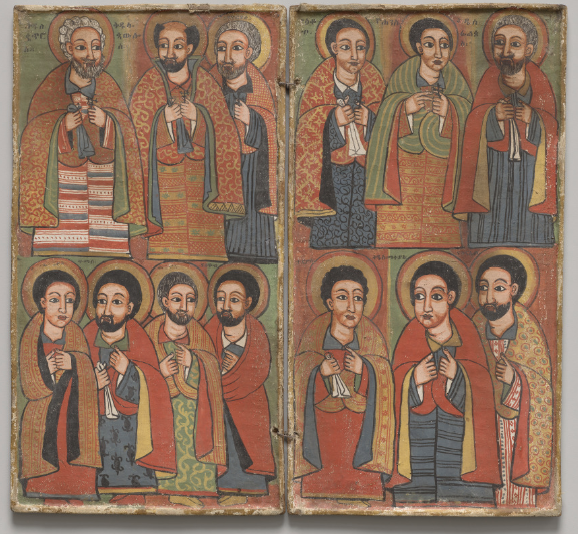
And it is these same first communities that truly felt what it means for the Lord to send the Spirit, as it was said in the Gospel. They were the ones who experienced what it meant to go to foreign places, learn languages and cultures that are foreign to them, and try to communicate the only thing that they knew well: the goodness and mercy of God and how he saved His people. The story of the first Christians, as we see in the Acts of the Apostles, were not happy endings and endless feasts of some sorts, most of them were challenges; however, what sustained them was the Spirit, who they believed were sent by Our Lord and would never abandon them in everything that they face, all in the name of proclaiming and living out their faith in the Lord.
Maybe it’s time that we learn from this, and see it at work in the places where Christians are a minority, where our priests and missionaries work in silence and struggle within communities that are inimical to the Christian faith, and where Christian communities also have to fight for their basic rights to believe, before anything else. And it’s time for us to recover the spirit of the first Church, one that lives and decides first and foremost with Our Lord in mind.


Comments